What Changes in Your Infrastructure Contract When Personal AI Agents Go From Hundreds to Millions of Tenants
Scaling agents to millions of tenants rewrites four contract terms.
Tomasz Wierzbicki
Section
16 stories in Per-User Agent Patterns.
Scaling agents to millions of tenants rewrites four contract terms.
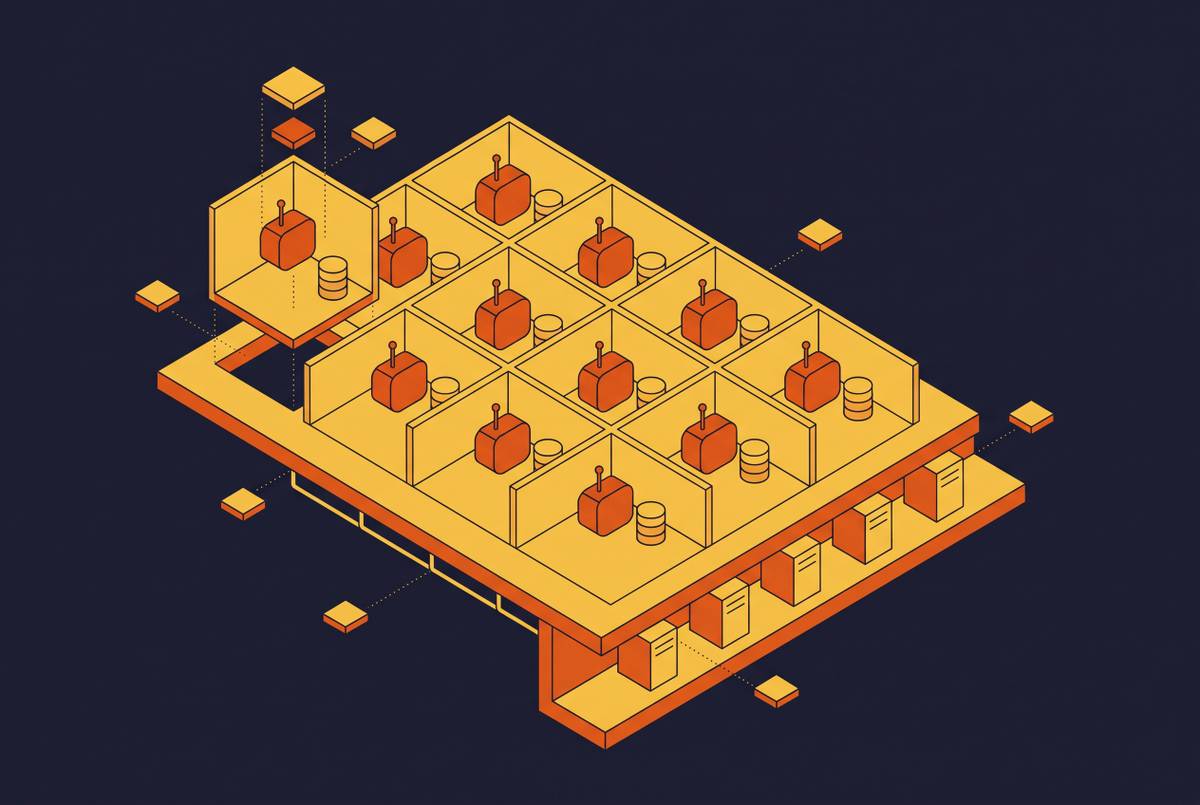
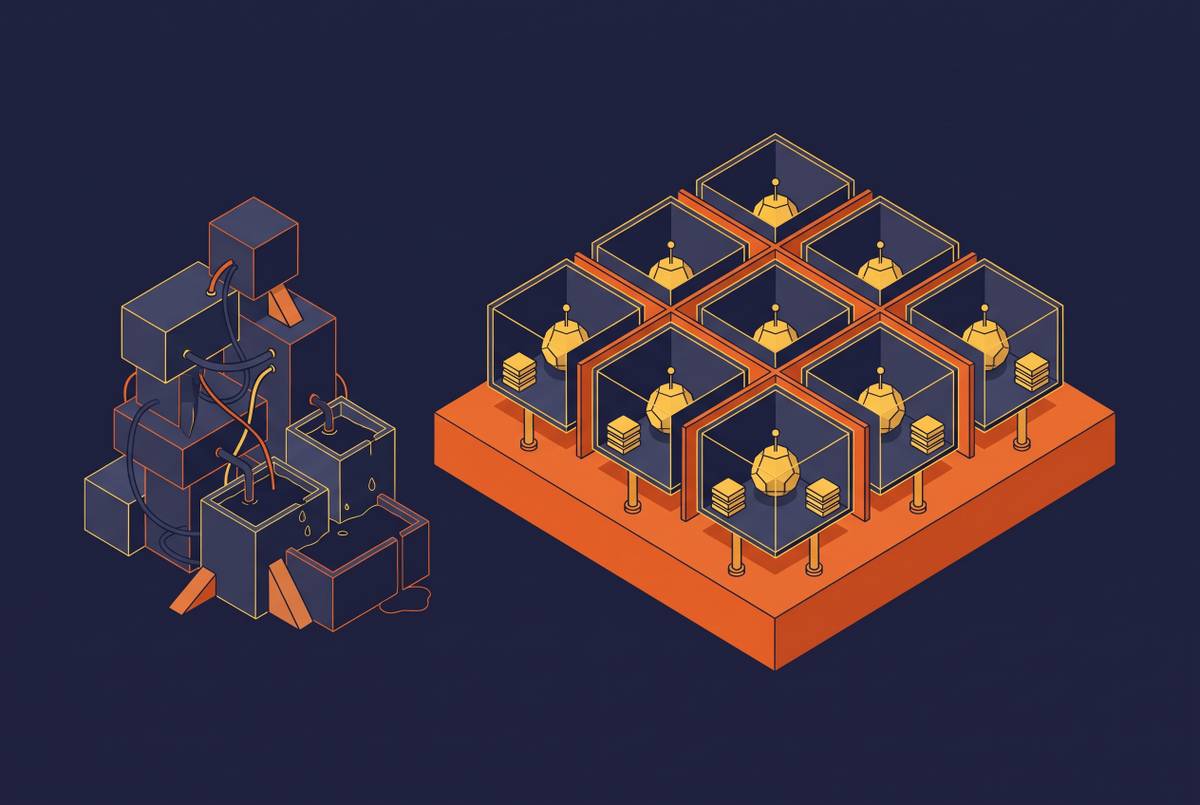
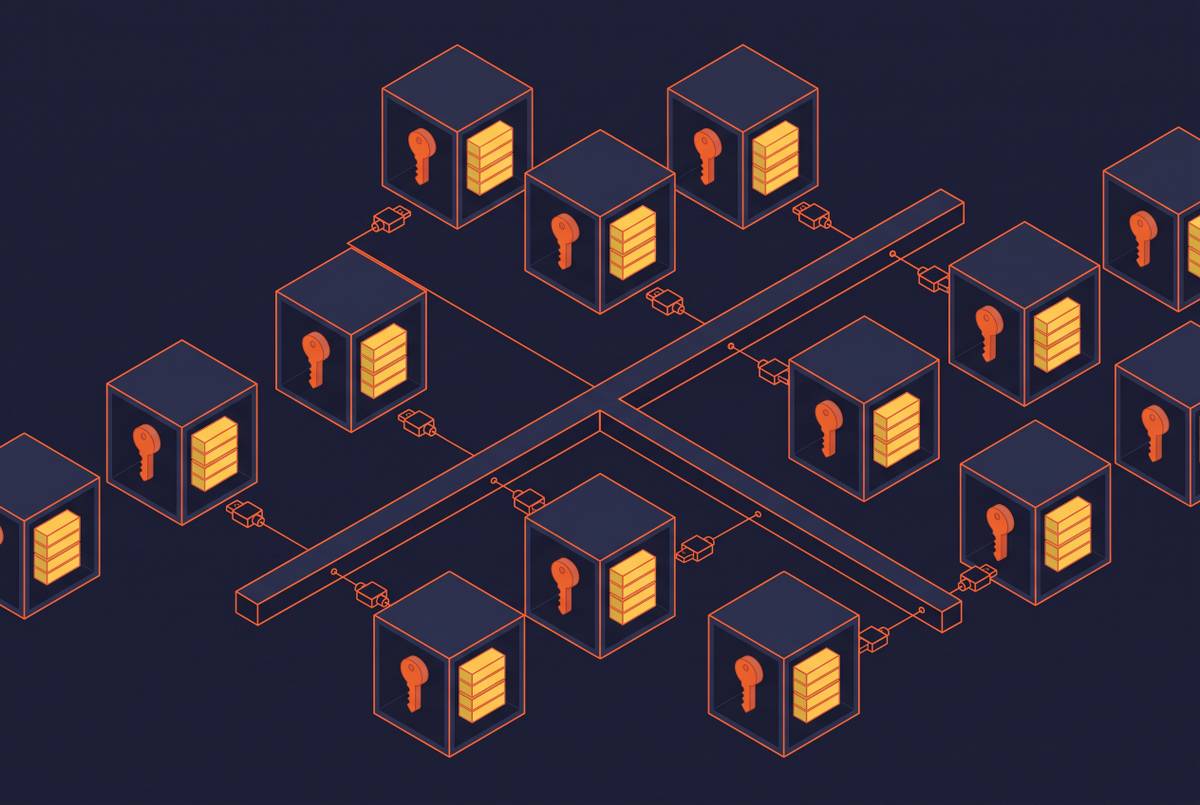
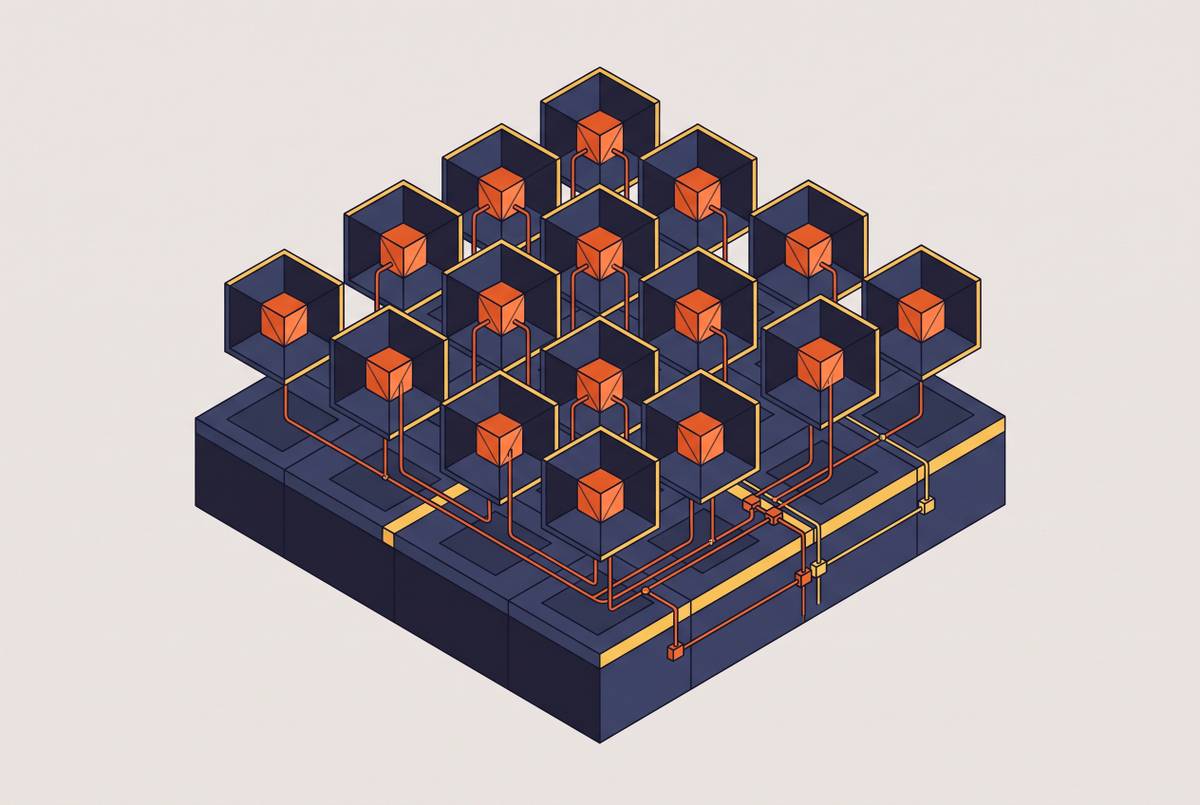
Giving each agent its own microVM moves tenant isolation below the model's decisions.
Per-user agents need isolated microVMs and scoped credentials, not just authentication.
A step-by-step guide to isolating, sleeping, and billing per-user agents.
Per-user agents need isolation, persistence, cheap idle time, and fast wake.
Hardware VM boundaries per tenant prevent agent code from compromising shared infrastructure.
Persistent agents need platform-level isolation, not DIY infrastructure cobbled together.
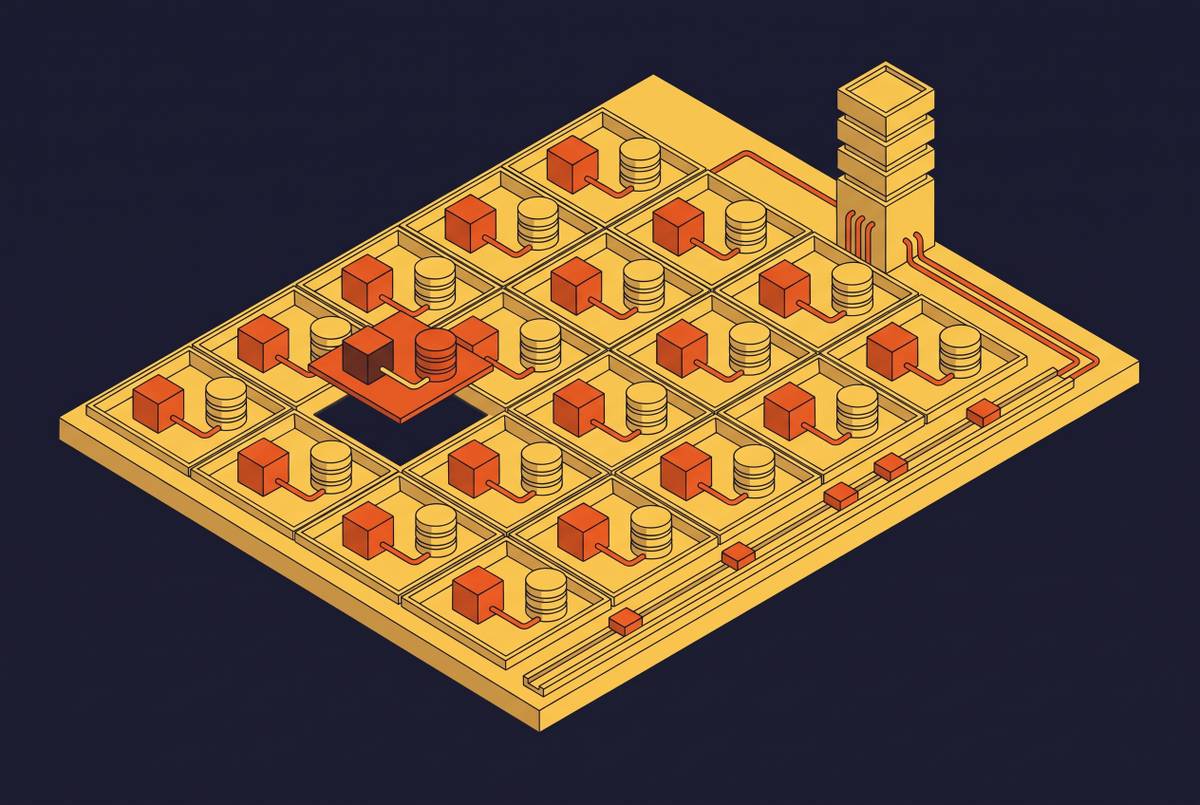
Reduce idle compute costs by freezing agent state into storage instead of running persistent VMs.
Agents running continuously rewrite state, permissions, pricing, and compute.
Per-user agent billing only works when pricing and infrastructure are designed together.
Persistent per-user memory fixes agent amnesia by moving state out of the context window.
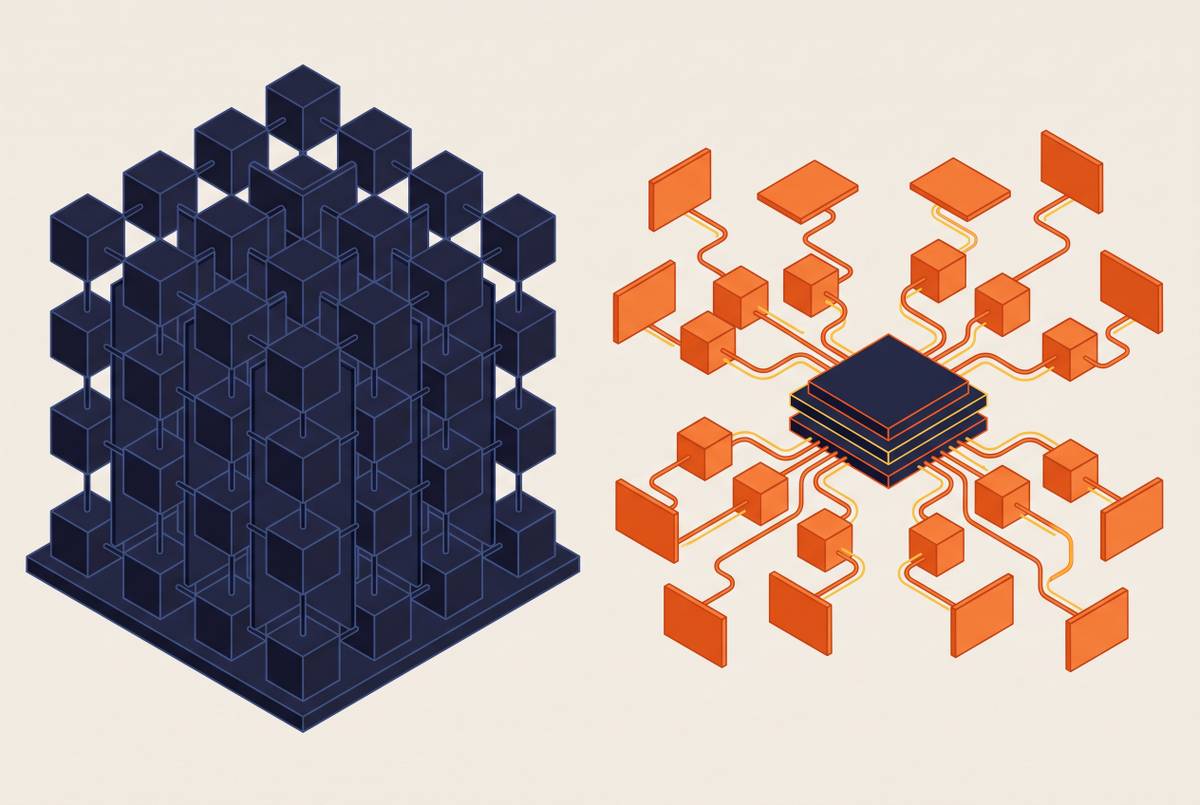
Shared agent pools leak tenant data by design, and per-user microVMs fix it.
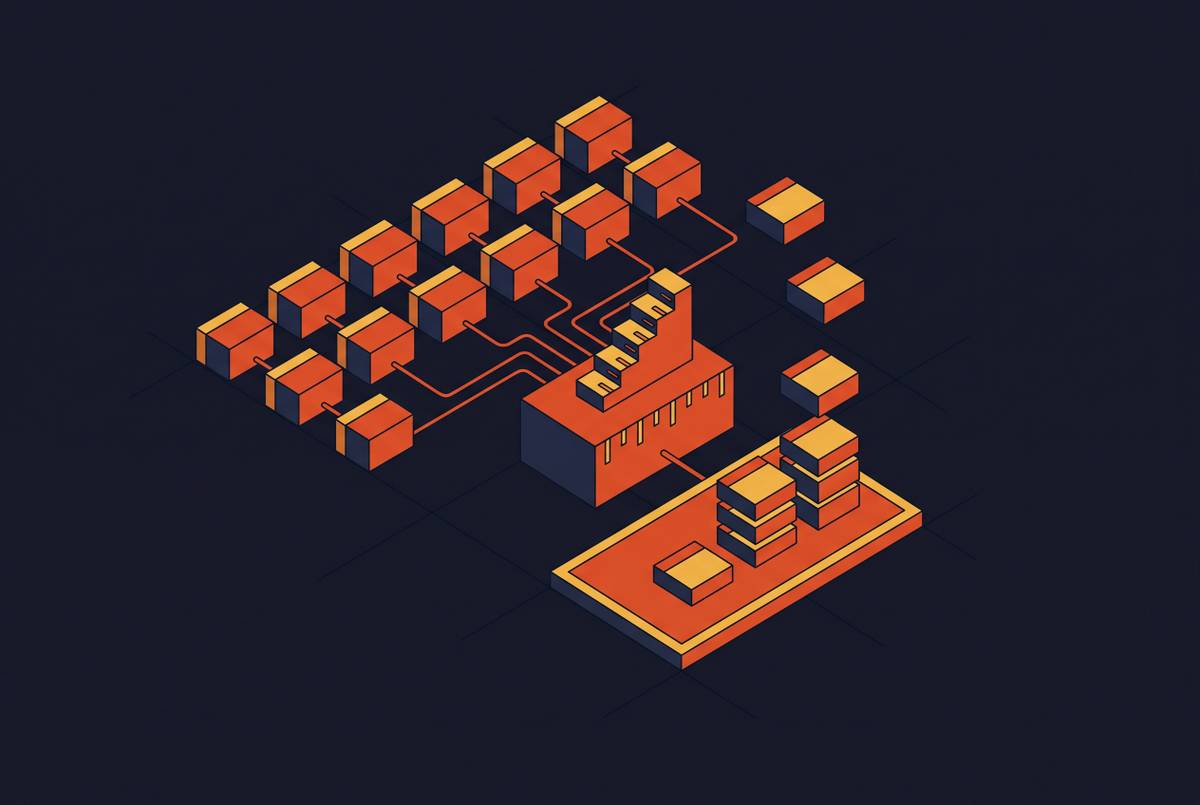
Signup becomes a provisioning event, and snapshot-restore makes it fast.
Whether your agent holds state decides if tenants stay isolated.
Per-tenant microVMs and snapshot-restore keep thousands of agents cheap.
MicroVMs give each tenant's agent its own kernel, and at scale.